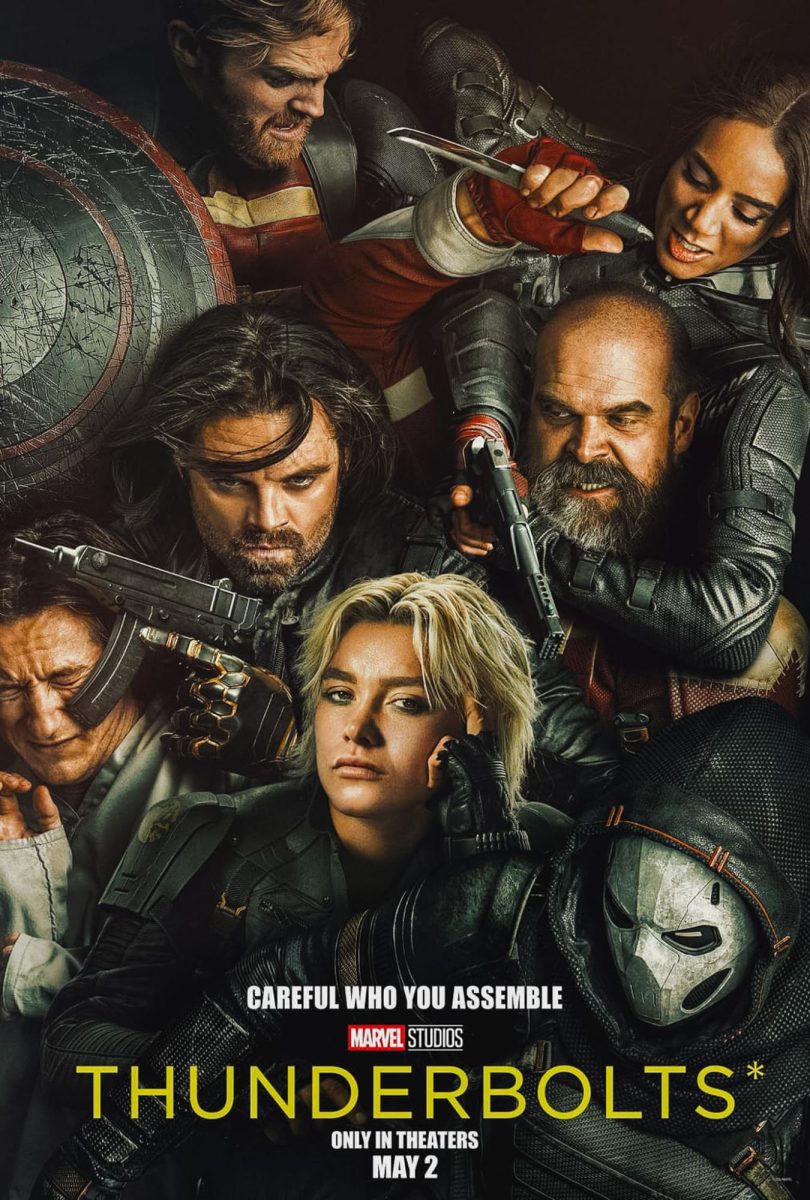
















In March, Disney released the official trailer for the live-action adaptation of “Moana,” which is set to premiere in theaters on July 10 and has faced heavy pushback from viewers, with many questioning whether this “live-action reimagining of the beloved Oscar-nominated animated adventure” even needed to be made.
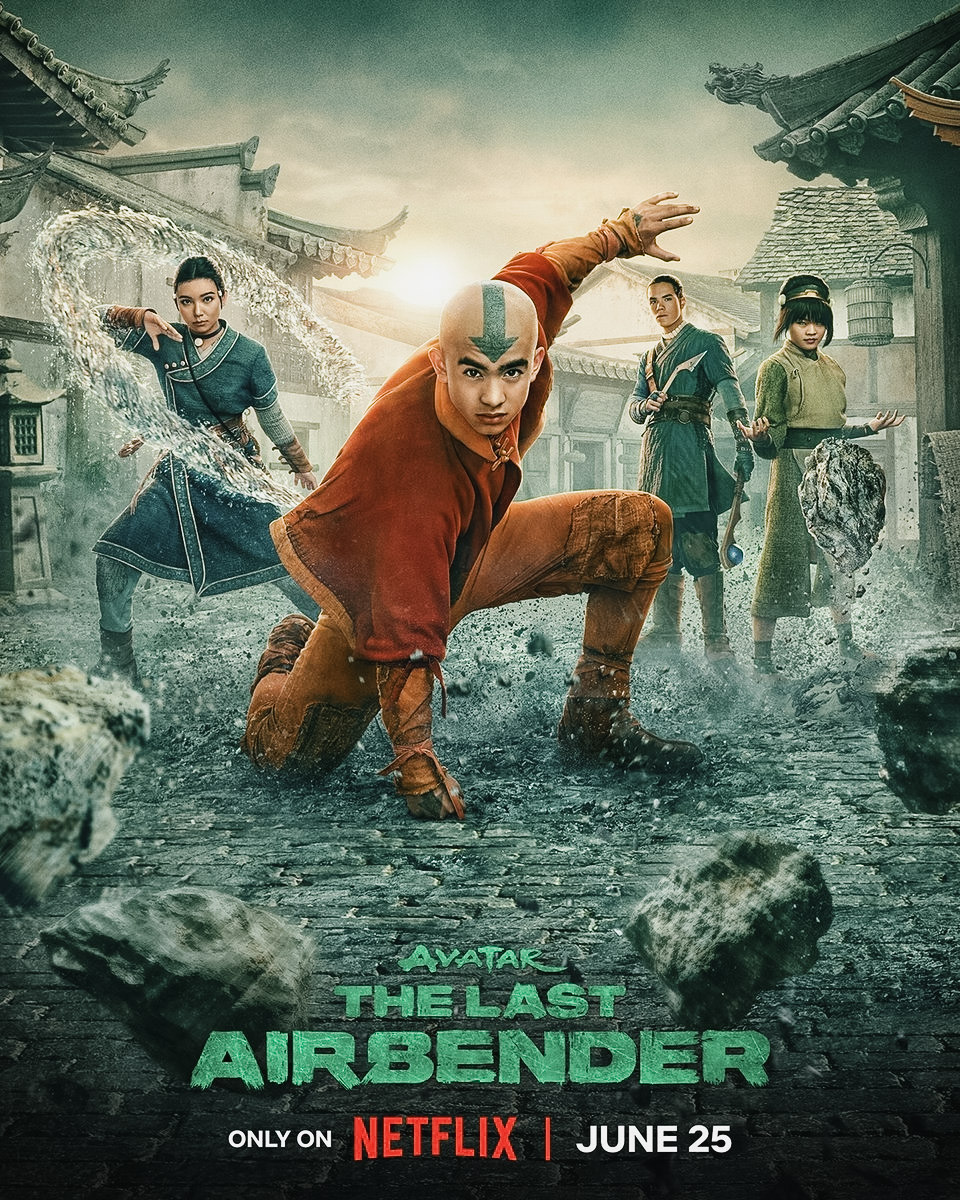
This discourse revitalizes a time-old debate about this controversial genre: Are live-action adaptations and remakes necessary? This question comes at an interesting time in the film industry, as multiple big-name franchises are receiving adaptations of their own, including “Mortal Kombat II” on May 8, “Avatar: The Last Airbender” Season 2 on June 25, and “Street Fighter” on Oct. 16. This also comes at a time when viewers are open and direct about their opinions on the genre, such as themodernholmes1735’s comment on the live-action “Moana” trailer, asking, “Did we really need a live-action version of this? The original came out only 10 years ago?”
However, this is nothing new, as this trend has a rich and extensive history in the film industry. According to WatchMojo, in the late 1990s and early 2000s, Hollywood turned to intellectual properties, or IPs, to guarantee studios’ success, including comics, video games, books and toys. But this success led to the film industry doubling down on already established franchises, “with … characters and worlds … locked in corporate vaults, milked for spinoffs, crossovers and connected universes.”
This also led to a surge in live-action adaptations in the mid-2010s, and studios’ obsession with “safe bets”—Disney in particular—resulted in remakes of classic films into live-action adaptations, such as “Cinderella,” “Beauty and the Beast,” and “The Lion King.” However, this trend has been criticized and labeled as soulless. WatchMojo elaborates that, for critics and cinephiles, “it was just proof that Hollywood’s hunger for safety was stifling cinema’s creativity. The trend, they believed, was merely a symptom of Hollywood’s fear of failure.”
Lancers share opinions
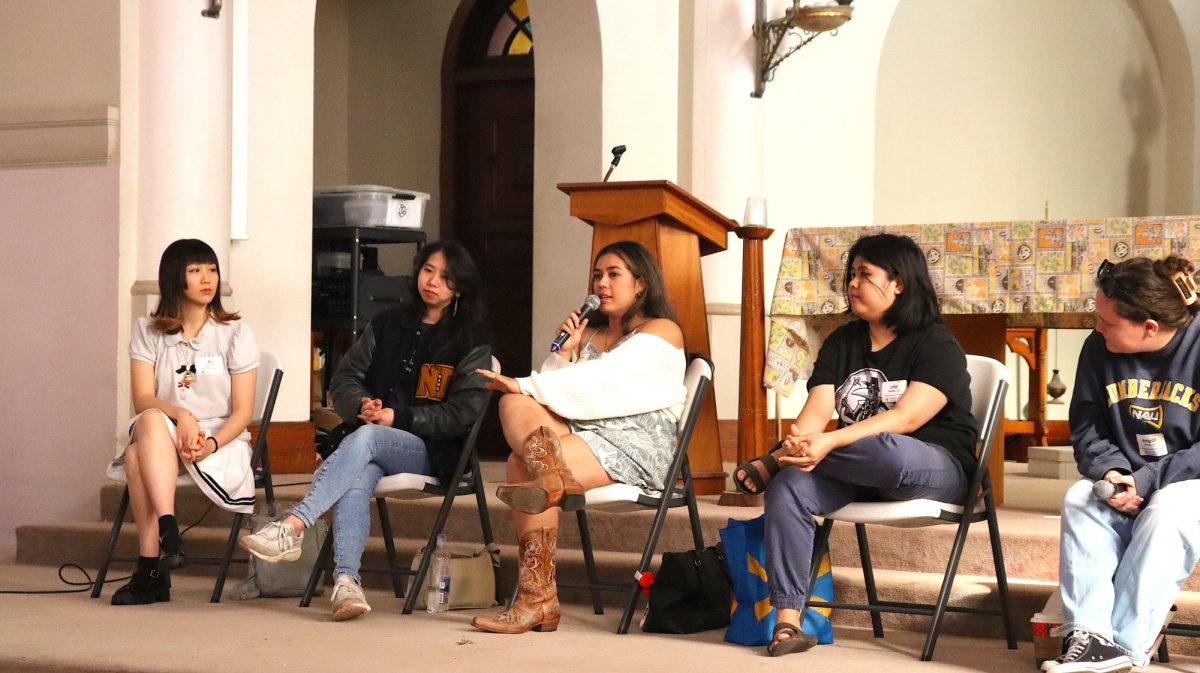
On campus, Sacred Hearts Academy students and teachers have their own opinions on both the genre and the recent trend.
“Overall, I think live-action adaptations can be a good thing,” Academy Journalism and Video Production teacher Alyssa Myers said. “They help bring older stories to a wider audience, especially for people who may not be as interested in animated films. It’s neat to see how familiar stories are reimagined in a more realistic way.”
“It’s a reliable way for studios to reach audiences since the stories are already familiar,” Myers said. “At times, it can feel repetitive, but I think it really depends on the quality. Some are done really well, so I don’t think it’s entirely a negative trend.”
Academy senior Keira Wheeler shares the same sentiment but is also skeptical about their necessity and overall quality.
“I think live-action adaptations are interesting because they balance nostalgia with reinterpretation,” Wheeler said. “When they are done well, they feel like a meaningful tribute, but sometimes they come across as unnecessary or driven by profit rather than creativity.”
“The recent surge in remakes feels oversaturated,” Wheeler said. “It seems like studios are relying more on familiar titles instead of taking risks on new ideas, which can make everything feel repetitive.”
Wheeler and Myers also shared their perspectives on the positives and negatives of the genre and its increasing popularity.
“There are positives, like stronger visual realism and the chance to introduce stories to new audiences,” Wheeler said. “But there are also negatives, especially when adaptations lose the originality or charm of what made the original stand out.”
“A positive is that live-action versions can add more depth to characters or explore parts of the story in new ways. They can also introduce these stories to a new generation,” Myers said. “On the other hand, some remakes can feel unnecessary or fall short of the original, especially when there’s a strong sense of nostalgia attached.”
Genre presents pros and cons
Overall, the live-action genre has received a range of opinions, both positive and negative. These perspectives also shed light on the pros and cons of the genre.
One positive is how technological advancements in film allow for improved visuals. According to TFR, modern CGI (computer-generated imagery) technology can bring fictional worlds to life and make them look as realistic as possible.
Live-action films can also allow for updated narratives by expanding on characters or storylines.
However, TFR emphasizes that one of the most important benefits of live-action adaptations and remakes is “…cultural sensitivity, which can depict characters, environments or stories in a way that is inclusive and respectful of the culture in the original story.”
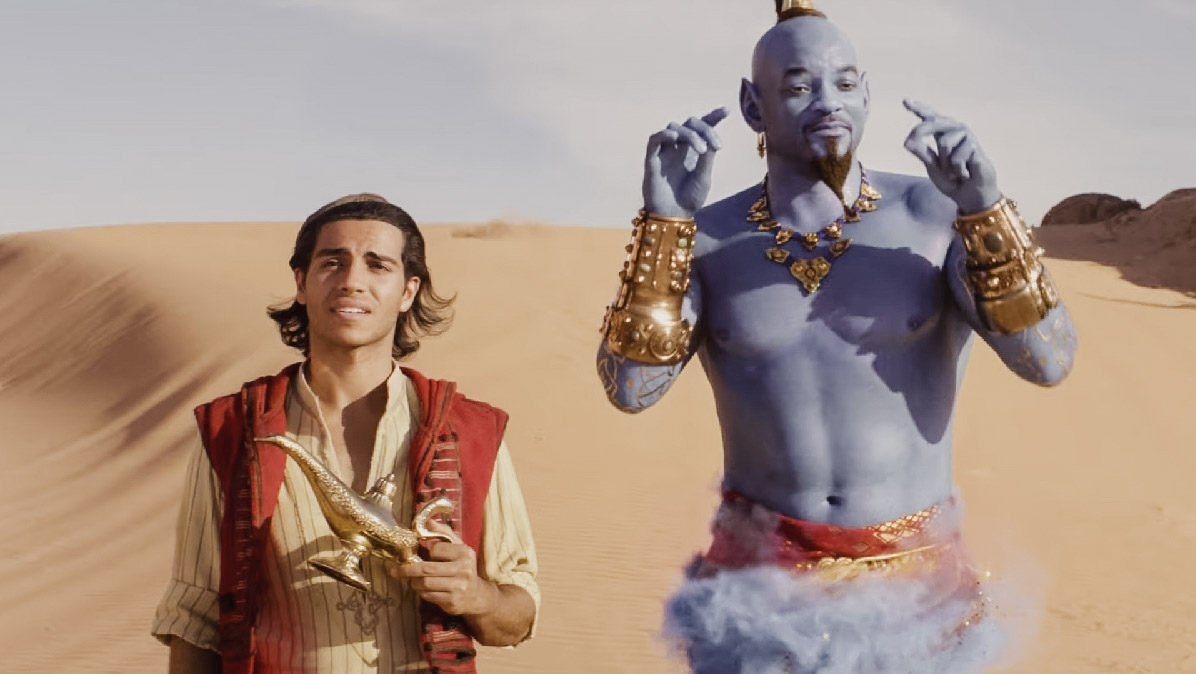
For example, in the live-action “Aladdin,” some dialogue and song lyrics were changed to be more respectful of Middle Eastern and South Asian cultures. In the song “Prince Ali,” the lyrics “slaves, servants and henchmen” were changed to “servants and henchmen” because the word “slave” was deemed too harsh and degrading to the people of the culture in which the film is set. The lyric “Sunday salaam” was also changed to “Friday salaam” because Friday is the Muslim holy day.
However, the overuse or underuse of these methods can weaken the live-action genre and its effectiveness. For example, in the essay “Everything Culturally Wrong With Mulan (2020) and How They Could’ve Been Fixed,” author Xiran Jay Zhao, who is of Chinese descent, writes that “…despite claiming to be doing a more ‘authentic’ adaptation of the millennia-old Ballad of Mulan, the four white screenwriters filled the story with distinctly Western fantasy elements like witches, dark

magic and duels to the death. Traditional Chinese concepts were name-dropped and interpreted in a way that showed only a surface-level understanding.”
She also wrote that the majority of the film’s problems stemmed from the production staff being predominantly white—the director, costume designer and the four screenwriters—and that “In the East, the whitewashed, orientalist take on Chinese culture has left mainland Chinese audiences feeling baffled and disrespected. On the biggest Chinese media review site Douban, this movie currently has a 4.9/10 rating, the lowest of all Disney live-action movies.”
Issues with narrative structure are also a major concern, as many adaptations and remakes either suffer from pacing issues or become shot-for-shot copies of the original work.
WatchMojo warns that “Nostalgia can draw us in, but too much of it, psychologists warn, is a trap. Audiences may end up comparing projects to the originals, longing for ‘the real version’ from their past,” while TFR writes that “The live-action ‘Peter Pan & Wendy’ (2024) is considered to have a rushed tempo … [and t]he audience is unable to develop sympathy for their beloved characters because the plot moves so quickly.”
Excessive use of CGI is also a major criticism, with WatchMojo writing that “The stylized freedom of animation doesn’t translate cleanly into reality. Brightly colored animals suddenly look uncanny; cartoonish worlds feel flat when rendered photo-realistically. In the chase for ‘realism,’ studios often strip away the exaggerated charm that made these stories iconic.” TFR points to the live-action “Pinocchio” (2022) as an example, noting that the inability to convey emotions properly causes characters to appear lifeless on screen.
Overall, the potential and possibilities of the live-action genre are evident. The key lies in maintaining a balance between the old and the new, respecting the original material while also making appropriate changes. With the number of live-action adaptations and remakes planned for the near future, Hollywood may need to learn from its mistakes rather than repeat them.