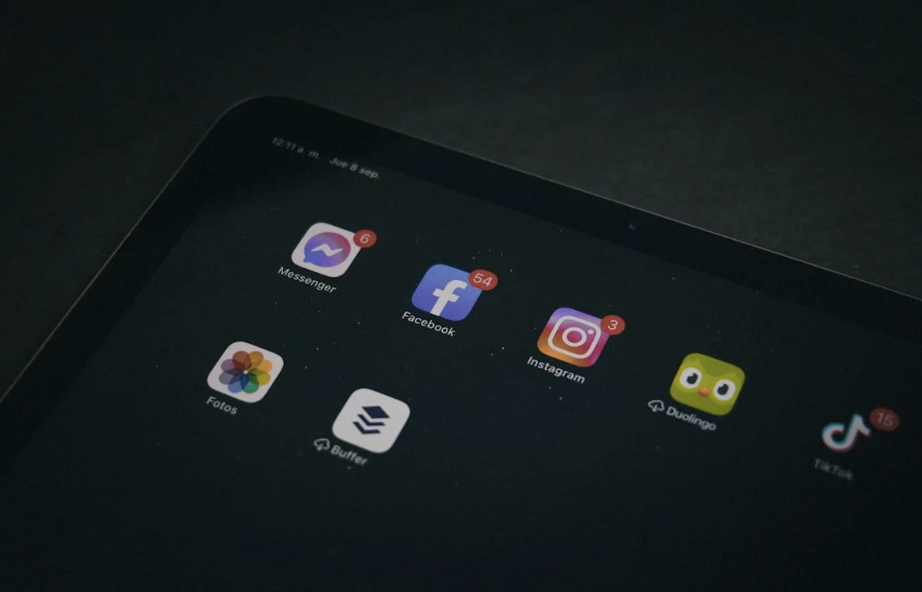












I remember the simplicity of early-stage modern social media—the time after Musical.ly but before TikTok became a marketplace. The tranquil years preceding the launch of the TikTok Shop e-commerce addition to social media.
I would rush to the pickup line after school so my friends and I had time to learn dances for our forty preteen followers. I could spend an hour outside watching videos posted by my friends with no interruption. No influence.
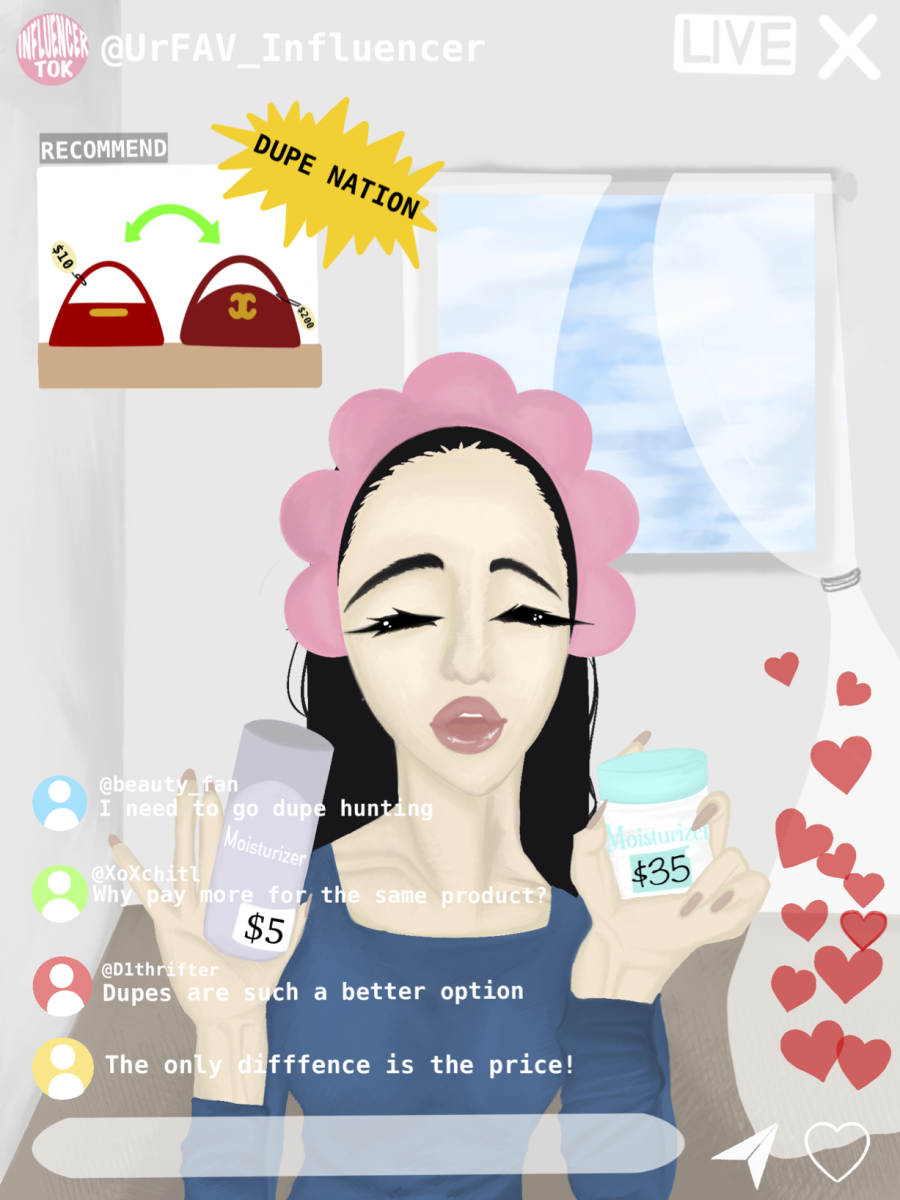
After the integration of the marketplace with the creative video-making platform—not so much. Dupe culture fundamentally transformed how social media platforms operate, turning creative spaces into a setting where every scroll is a potential transaction.
In the modern age of social media, it seems as though every third video is an advertisement. Every once-relatable celebrity is now only posting paid partnerships, inconspicuous to the naked eye, and most importantly, social media now revolves around how we as consumers should “run, not walk” to the latest dupe.
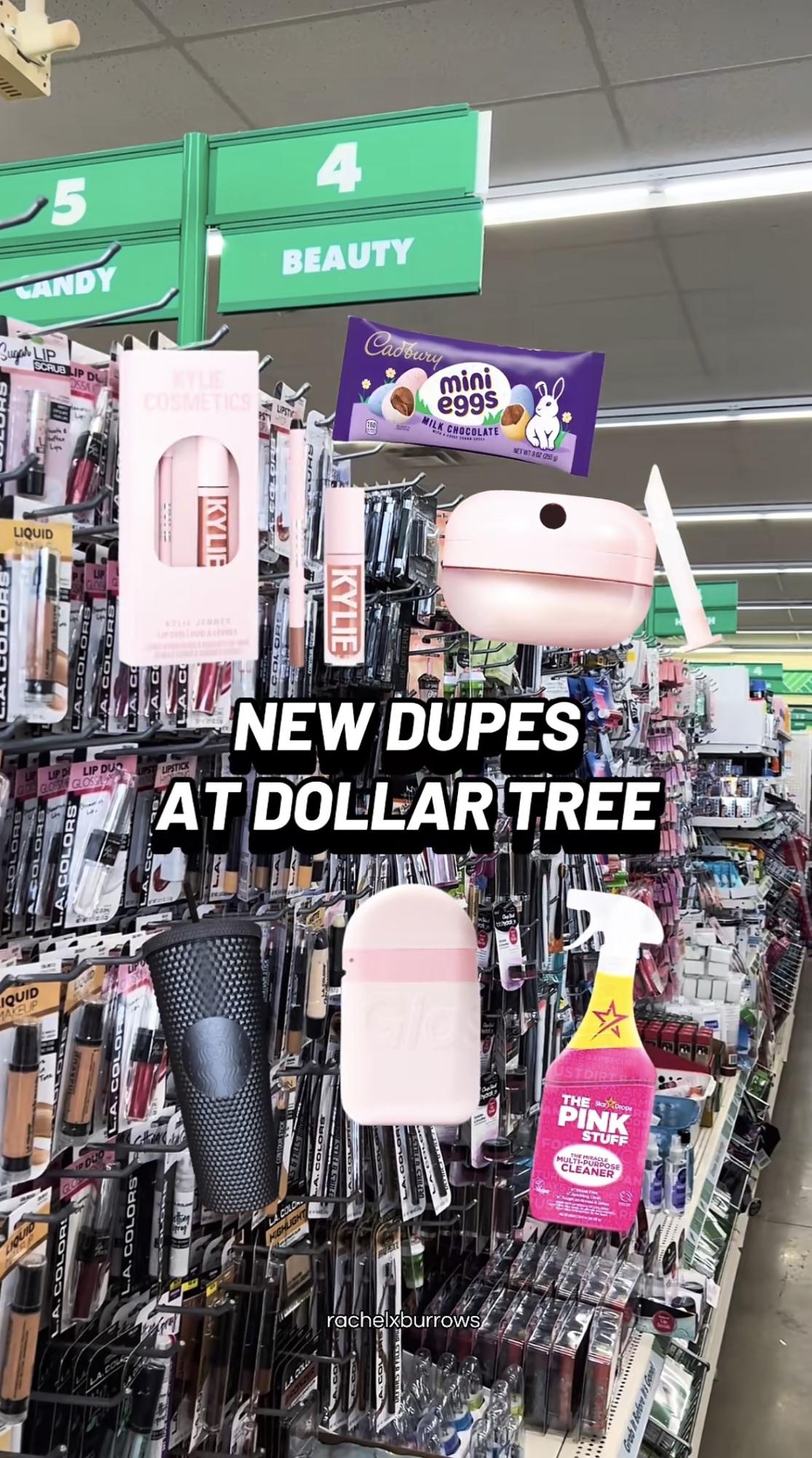
Whether it be a link on TikTok Shop or a Pilates reformer at Five Below, the pressure to shop “dupe culture” is no longer a choice. It feels mandatory for social normalcy.
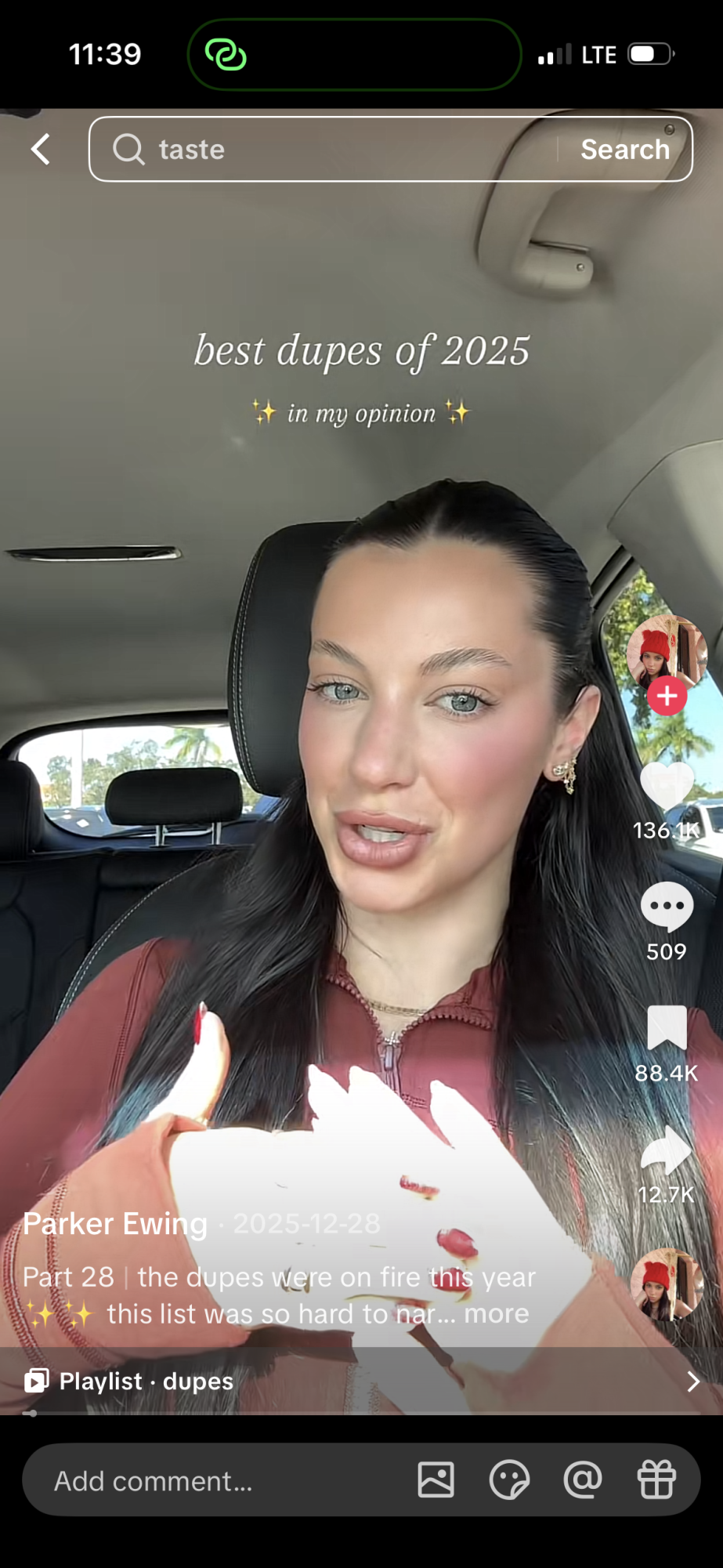
The term dupe was once a whisper in online circles. It was a taboo topic relegated to Walmart and CVS beauty aisles.
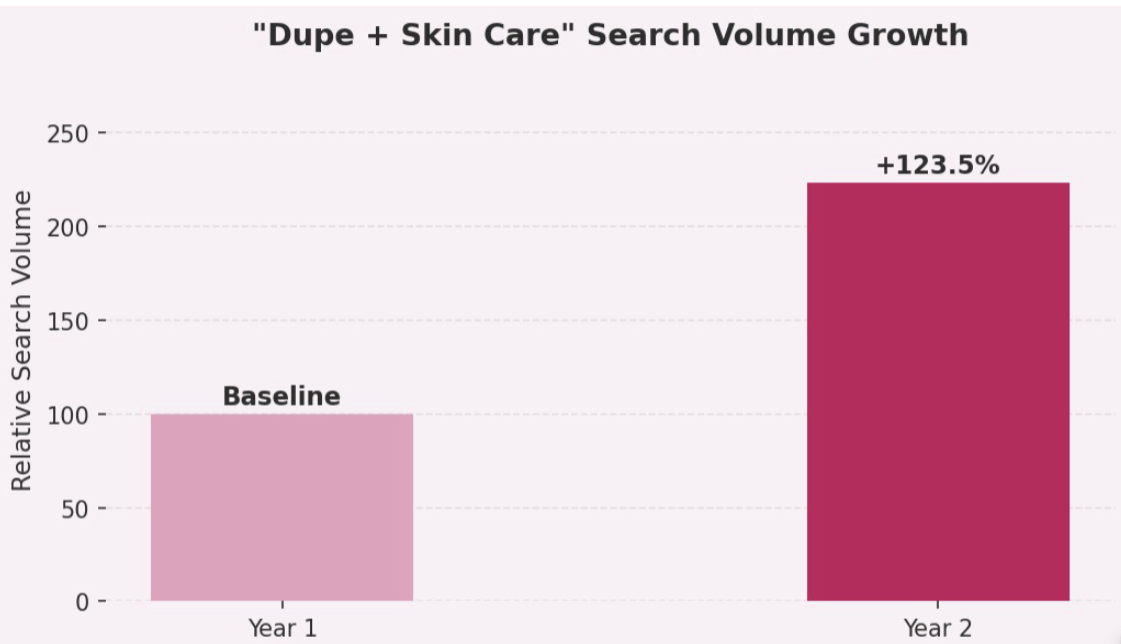
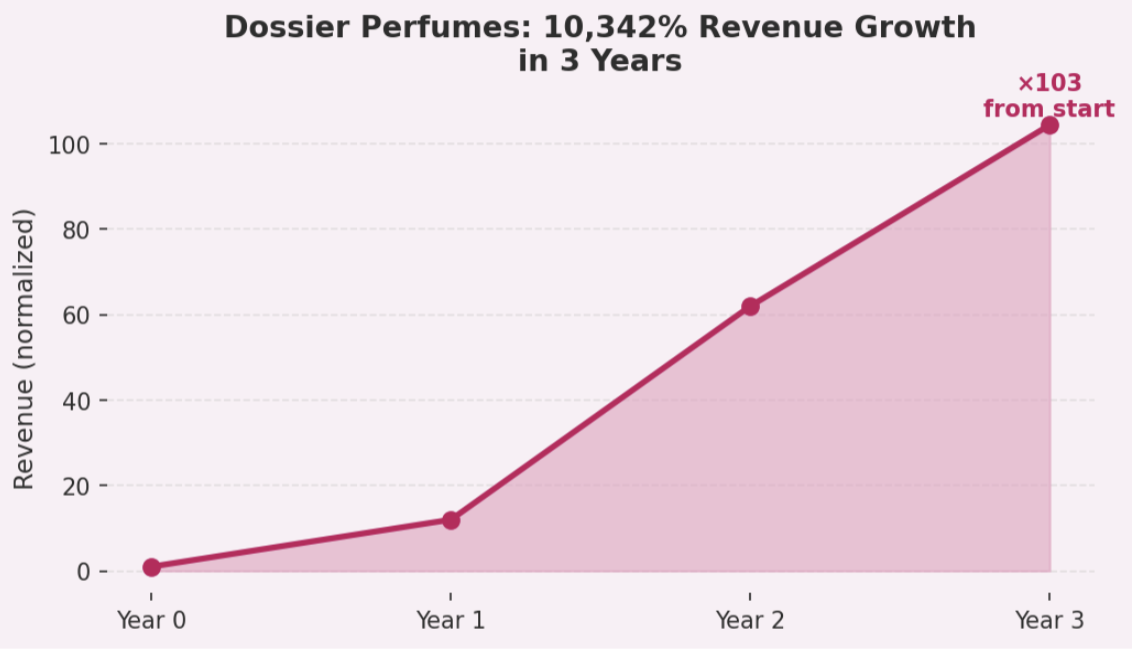
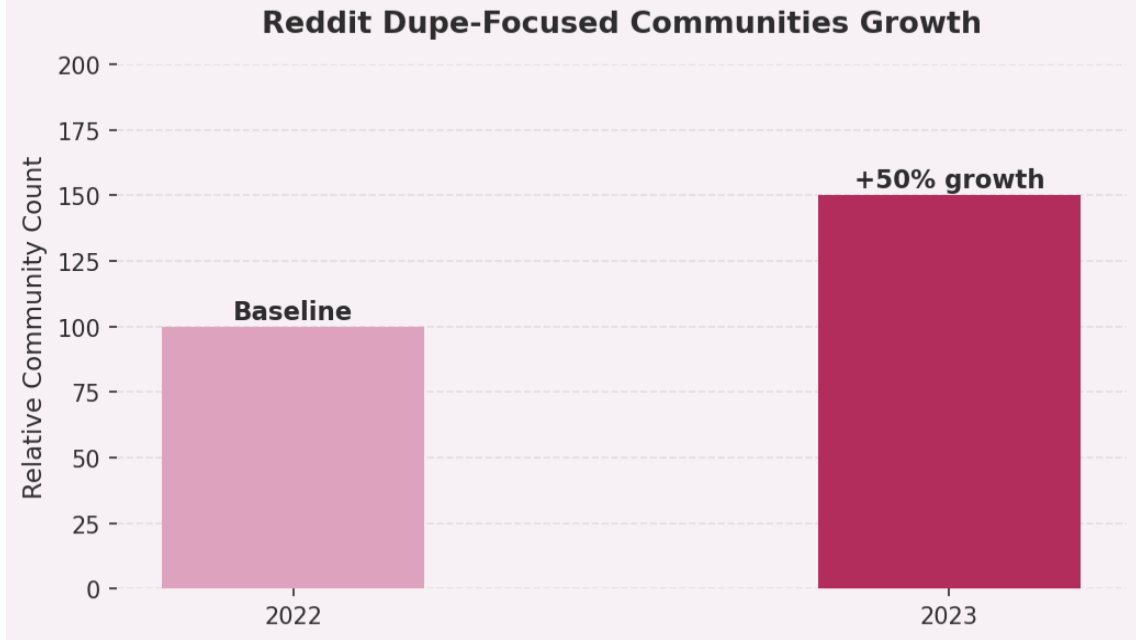
But dupes have entered the mainstream market at lightning speed because they’re profitable. According to Google search data analyzed by trend forecaster Spate, online searches for “dupe + skin care” increased 123.5% in a single year. Reddit reported a 50% rise in dupe-focused communities between 2022 and 2023. Dossier, a company selling “impressions” of designer perfumes, grew by 10,342% in just three years by capitalizing on this hunger for affordable luxury.
But in recent years, there’s been a much more fundamental shift. The term dupe itself no longer holds the same meaning.
That’s exactly what makes this moment in consumer culture so disorienting: the word dupe used to mean something completely different.
A dupe was an affordable alternative that functioned similarly—generic ibuprofen instead of Advil, a drugstore moisturizer with comparable ingredients to a luxury cream. It was about smart shopping, finding products that did the same job for less money. The focus was on function, on value, on meeting your actual needs without overpaying for a brand name.
Modern-day dupes are knockoffs of popular yet unnecessary items. This stems from the need to constantly consume.
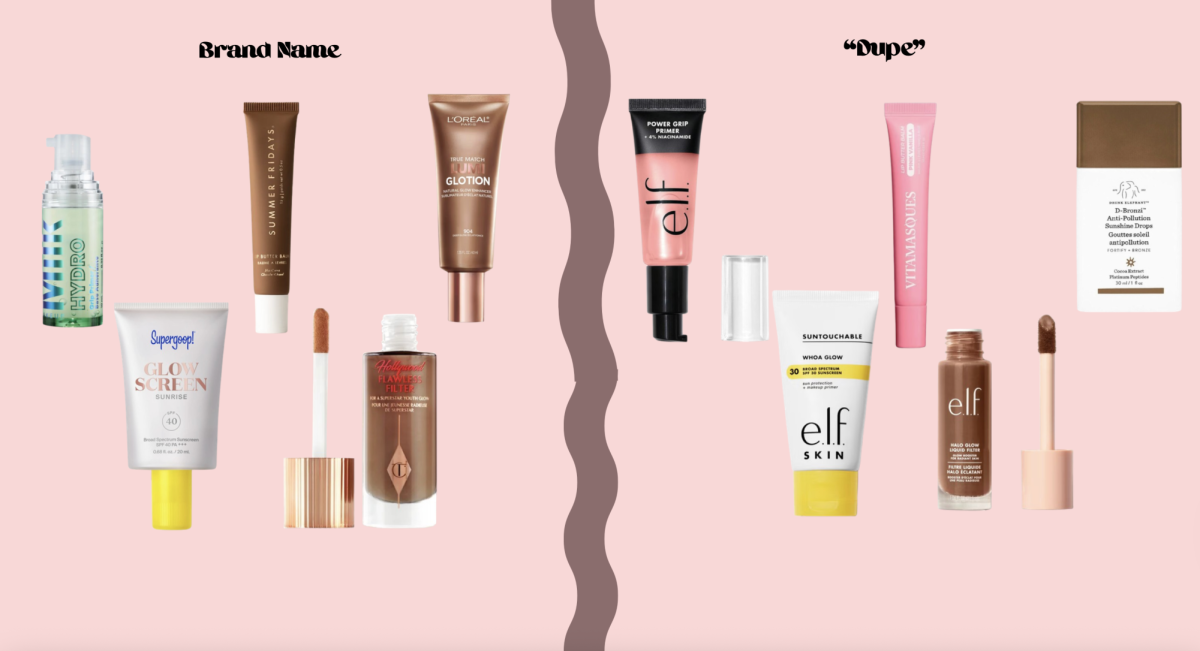
At one point, dupes were necessary items held back from the general public and marked up. Now, many dupes are replicas of high-end and unaffordable products—Summer Fridays lip balm dupes or Louis Vuitton dupes.
Take Canal Street as an example. An iconic stretch of New York City at the border of Chinatown and SoHo, it is home to a dense concentration of counterfeit bags and purses. Vendors tout their quality, their low price, and how indistinguishable they are from the original.
The street itself is an overlooked cultural symbol of West African and Chinese discrimination—two unlikely ethnic communities shaped by systemic exclusion, surveillance, and vulnerability to wrongful arrest.
What was once known explicitly as an illegal marketplace has been rebranded into something softer, trendier: a dupe. This linguistic shift mirrors a cultural one.
We stopped asking, “Does this work as well?” and started asking, “Will people think this is real?” Rich people buy expensive stuff. Regular people find cheaper versions that look identical. Everyone wins because we’re “democratizing style” and refusing to be exploited by luxury brands charging $500 for a sweatshirt that costs $12 to make. The story sells itself, which is exactly why the algorithm loves it.
We’ve constructed an entire consumer identity around pretending to possess what we don’t actually own.
Not even pretending to be someone we’re not—just pretending to own the same objects as people in completely different tax brackets. We’ve gamified the aesthetics of wealth while ignoring everything wealth actually provides: security, stability, and freedom from constant financial anxiety.
In its place, we’re building elaborate simulations of affluence, often on credit cards we struggle to pay off, filling our spaces with “affordable luxury” engineered to disintegrate within months.
However, it would be reductive to dismiss dupe culture entirely. On the contrary, there is an undoubted positive culture created around dupes. Women now have an outlet to express their desires, socialize with other women, and become business owners, unattached from anyone else.
This mirrors the way women reclaimed their savviness and community with the invention of the Tupperware party—a sales event where women invited others into their homes to sell Tupperware, allowing them to socialize and earn income while still being homemakers. Of course, this later backfired when Tupperware proved so durable that there was no need to consume, and the company went out of business.
Reflecting on this, we are at a standstill—an unprecedented intersection of consumerism, a lack of self, expressed femininity, and women as business owners.
The pertinent solution is to encourage money-savvy behavior and small-market consumerism in a way that does not rely on the exploitation of immigrants, children, and companies.
My own attempt at conscious consumption illustrates both the appeal and the contradictions of navigating modern consumer culture. This year, I resolved to own less. Not buying the bangles and hundred-dollar swim tops just to ensure enough people commented on my Instagram story.
Not going on shopping sprees with my friends every time I get hold of my dad’s card. So I cleared out my room. I donated bags of items to Goodwill, packaged in Trader Joe’s bags.
And though I was back at the mall by the weekend—and by most standards had already failed at my resolution—I was conscious of my fall into consumerism. And that awareness is a luxury. This personal struggle reflects the larger tension that even when we recognize how algorithms and platforms drive our consumption, resisting that pull requires constant vigilance in a system designed to make restraint impossible.
The real luxury isn’t the bag or the shoes or the aesthetic apartment.
It’s the freedom to stop performing. To stop comparing. To stop living in a perpetual state of imitation.
But that isn’t for sale on Amazon, and it won’t go viral on TikTok—so most people will never find it.