















I remember the simplicity of early social media—the time after Musical.ly but before TikTok became a marketplace. Back then, the apps felt like places to create and connect, not places designed to sell the latest product or promote the next viral “dupe.”
I would rush to the pickup line after school so my friends and I had time to learn dances for our 40 preteen followers. I could spend an hour outside watching videos posted by my friends with no interruption.
No ads. No influence.
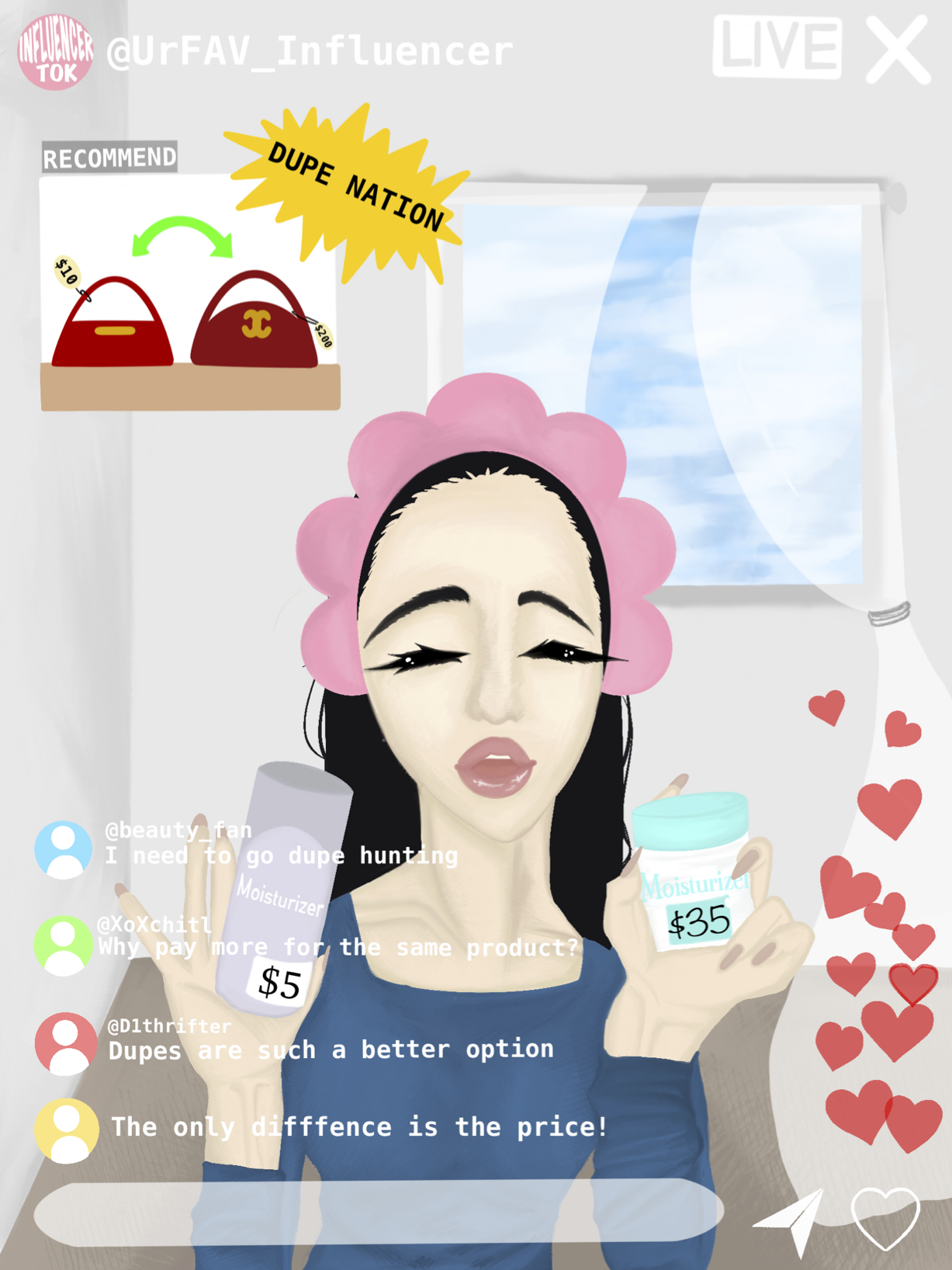
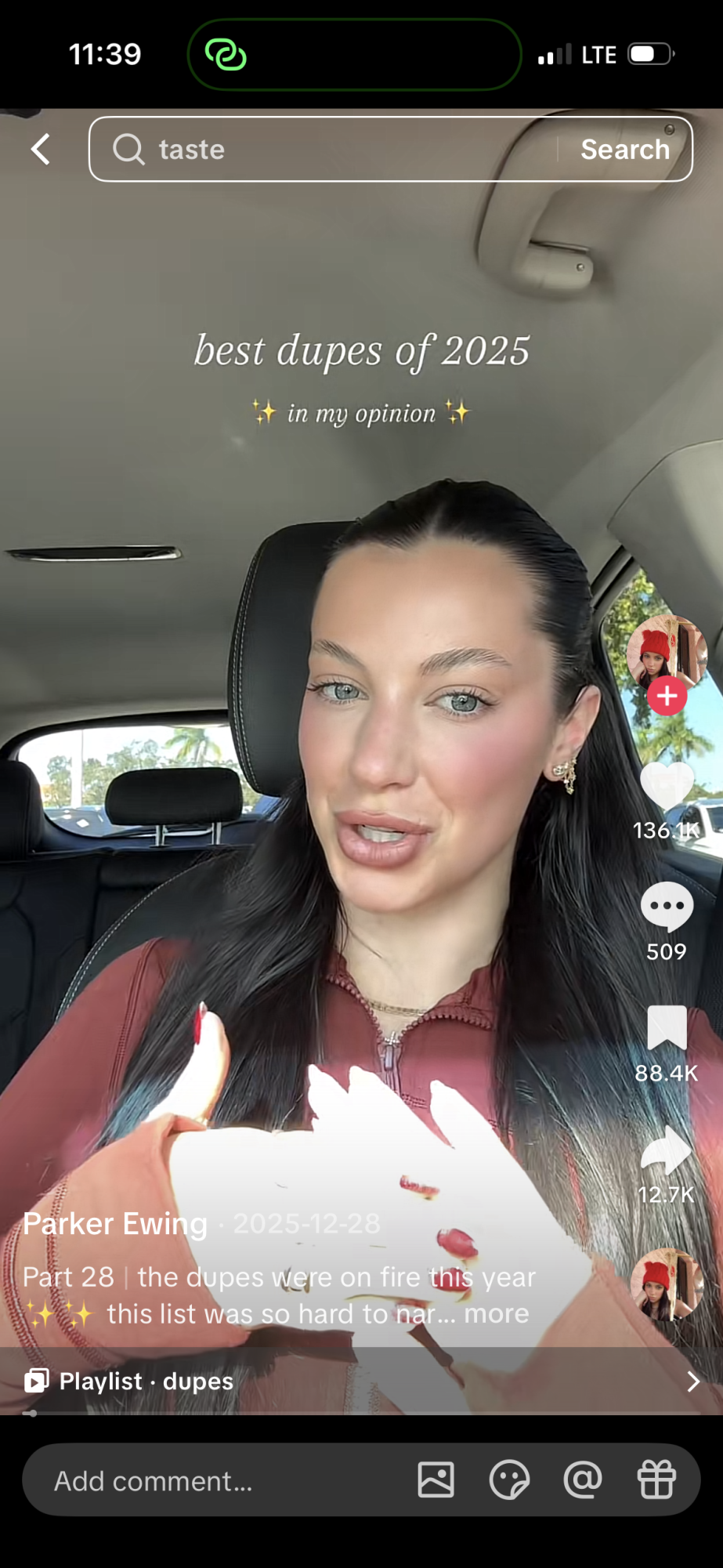
But that version of social media has largely disappeared. The rise of TikTok Shop, influencer marketing and the growing obsession with finding cheaper “dupes” of popular products has transformed creative spaces into marketplaces, where nearly every scroll is a potential transaction. What once felt like entertainment now often feels like a sales pitch.
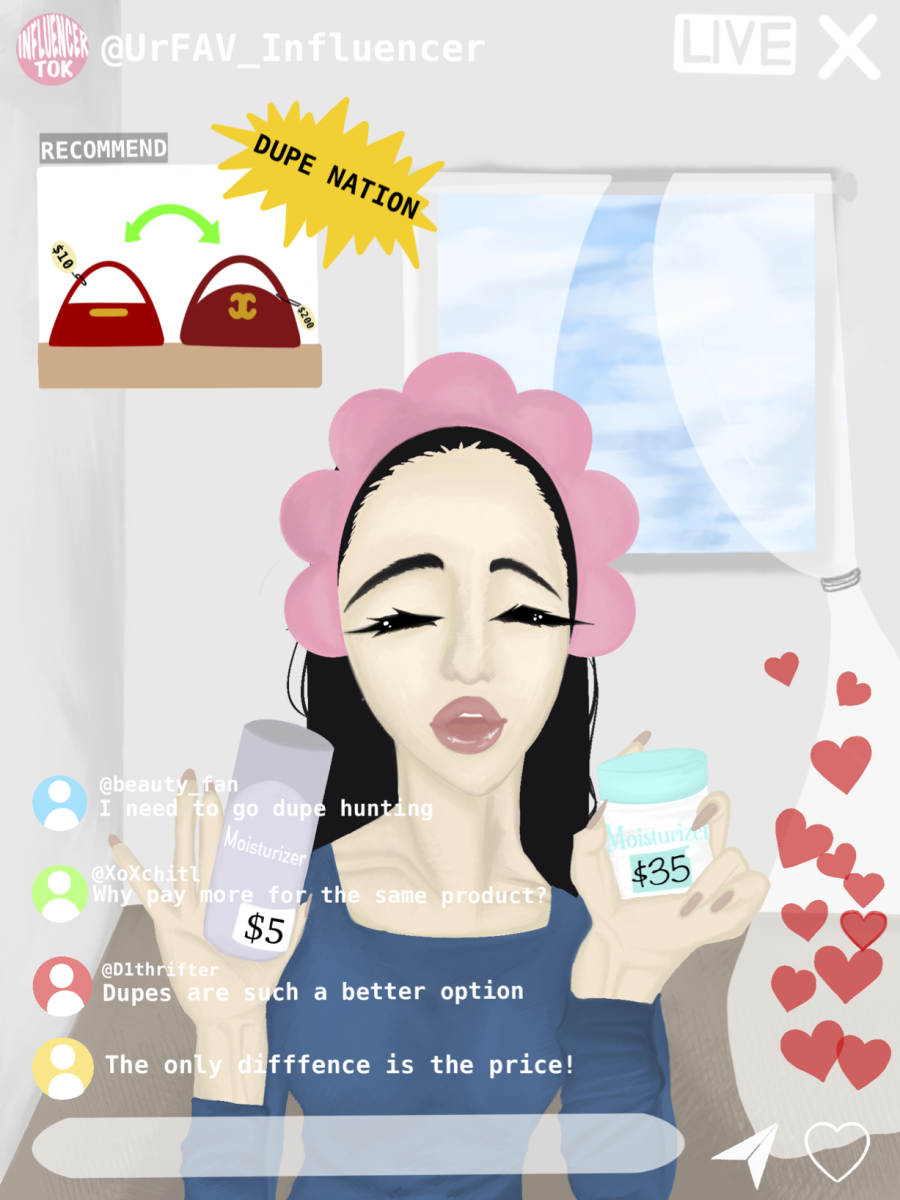
In the modern age of social media, it seems as though every third video is an advertisement. Once-relatable creators now post paid partnerships that are sometimes difficult to distinguish from regular content. Increasingly, social media revolves around convincing viewers to “run, not walk” to buy the latest dupe.
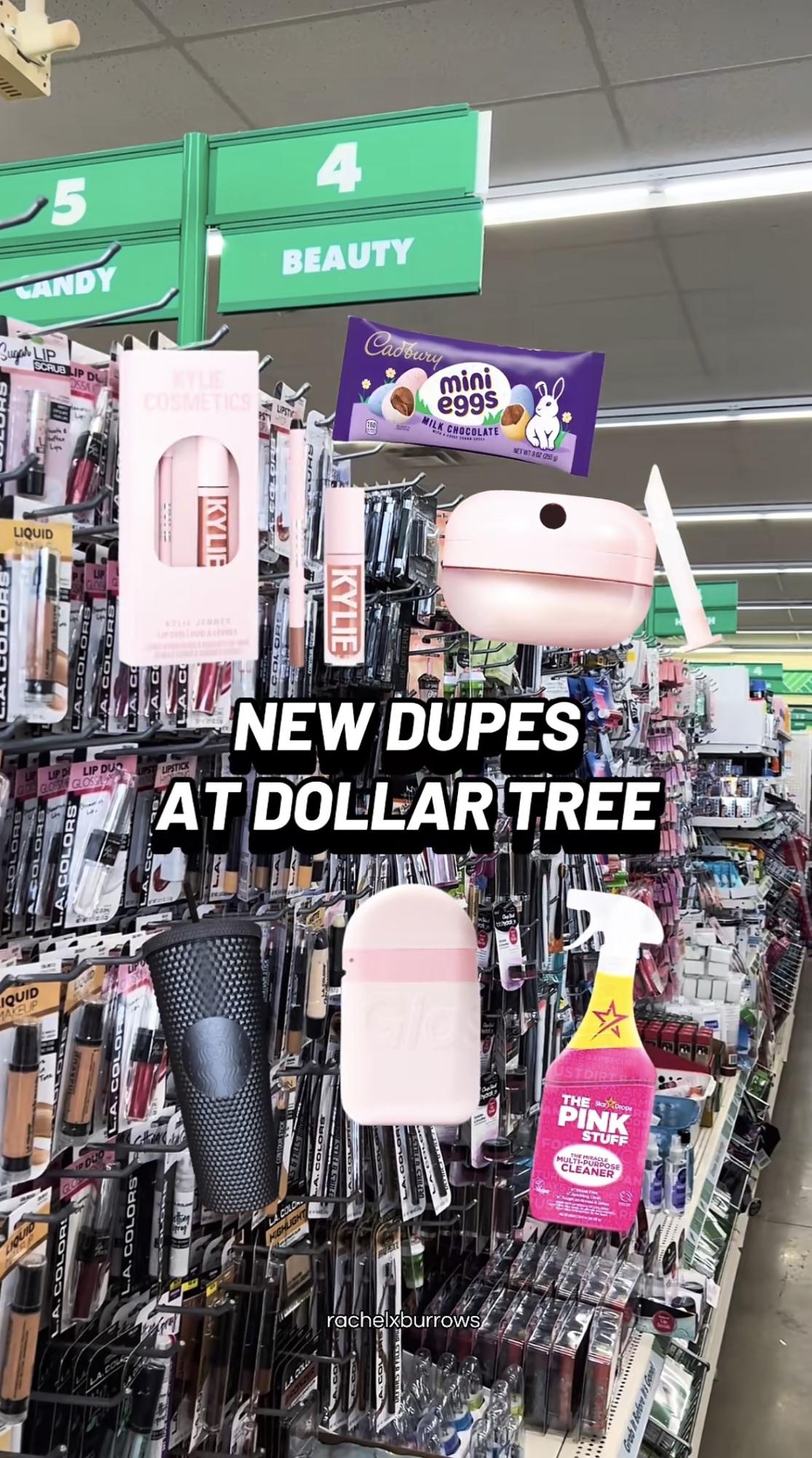
Whether it’s a product linked through TikTok Shop or a Pilates reformer sold at Five Below, the pressure to participate in dupe culture is no longer simply about saving money. It increasingly feels like a requirement for social participation.
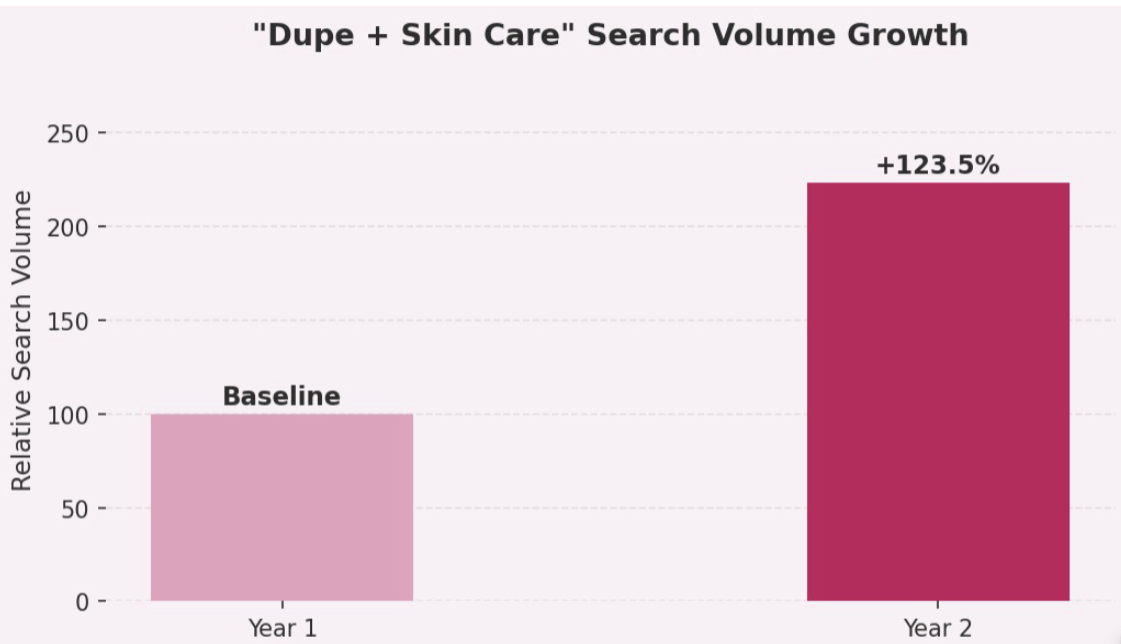
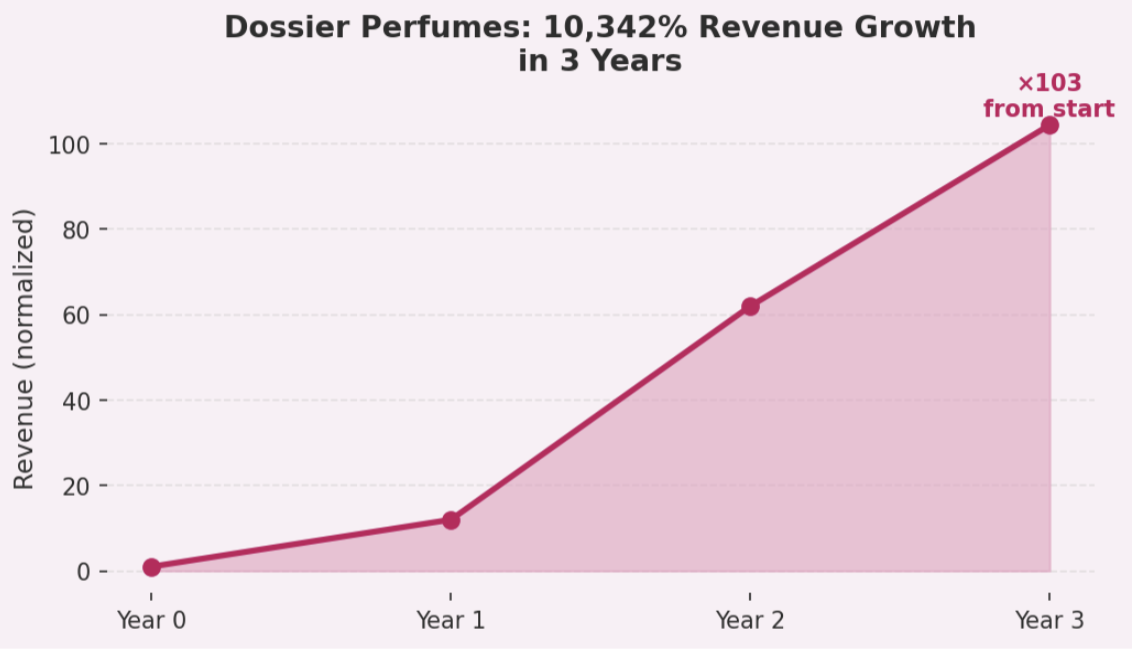
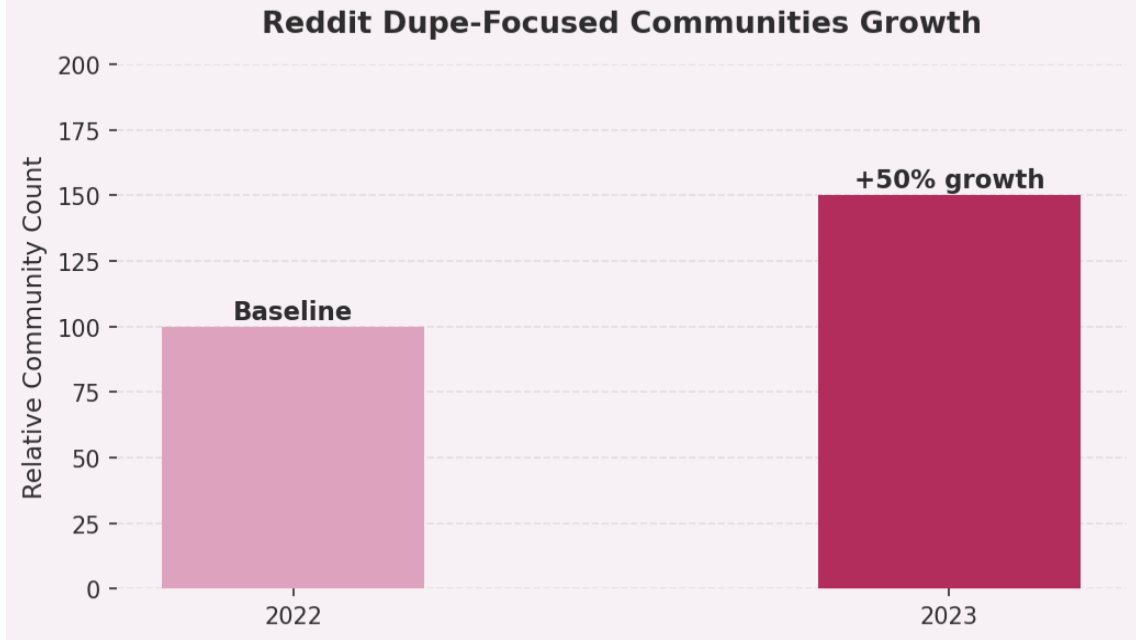
The growth of dupe culture has been rapid. According to Google search data analyzed by trend forecaster Spate, searches for “dupe + skin care” increased 123.5% in a single year. Reddit reported a 50% rise in dupe-focused communities between 2022 and 2023. Meanwhile, Dossier, a company that sells fragrance “impressions” of luxury perfumes, grew by more than 10,000% in three years by capitalizing on demand for affordable luxury.
The term dupe was once a whisper in online circles, often associated with drugstore beauty aisles or discount retailers like Walmart and CVS. But in recent years, the meaning of the word has shifted dramatically.
And that shift reveals something deeper about the way consumer culture now operates online.
Originally, a dupe meant an affordable alternative that performed the same function as a more expensive product—generic ibuprofen instead of Advil, or a moisturizer with ingredients similar to a luxury cream. It was about practical decision-making: finding a product that met your needs without paying for branding.
Modern dupes, however, are often replicas of popular but unnecessary items. Instead of focusing on function, they prioritize appearance.
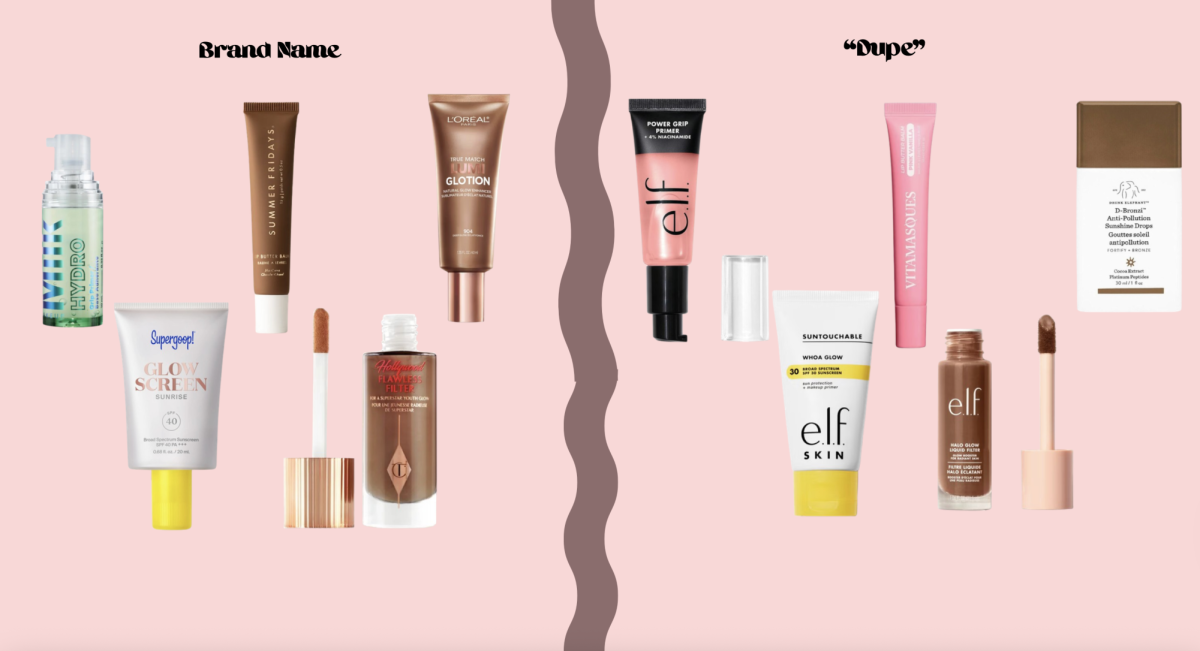
Take Summer Fridays lip balm dupes or imitation Louis Vuitton bags. The goal is not necessarily performance or quality but resemblance.
This shift reflects a broader change in consumer behavior. Instead of asking, “Does this product work just as well?” many consumers now ask, “Will people think this is the real one?”
Canal Street in New York City illustrates this phenomenon. For decades, the area has been known for street vendors selling imitation luxury bags and accessories. The well-known stretch of shops near Chinatown and SoHo has long been associated with counterfeit bags and luxury knockoffs. Vendors advertise their products as nearly indistinguishable from the originals.
Historically, these markets existed in legal gray areas and were frequently targeted by law enforcement. Scholars have also noted how immigrant communities, particularly Chinese and West African vendors, were disproportionately affected by policing and surveillance in these markets.
Today, however, the language has softened. What was once openly labeled counterfeit is now widely rebranded online as a “dupe.”
This linguistic shift mirrors a cultural one.
Rather than challenging the systems that create extreme price differences between luxury brands and everyday consumers, social media has turned imitation into a lifestyle strategy. Influencers frame dupes as a way to “democratize style,” allowing anyone to recreate the aesthetics of wealth.
But in reality, dupe culture often revolves around replicating symbols of status rather than meeting real needs.
On social media, many users construct consumer identities around appearing to own the same objects as people in completely different tax brackets.
Instead of aspiring to financial stability, social media encourages users to recreate the aesthetics of wealth: curated apartments, designer-inspired accessories and “affordable luxury” products designed to mimic high-end lifestyles.
At times, these purchases are even financed through credit cards or buy-now-pay-later services, adding financial pressure behind the illusion of affordability.
Yet dismissing dupe culture entirely would oversimplify the issue.
For many women, particularly young women, the online dupe economy has also created spaces for creativity, entrepreneurship and community. Influencers who review affordable alternatives often build large audiences, and some turn those platforms into small businesses.
In some ways, this dynamic echoes the rise of the Tupperware party in the mid-20th century. These gatherings allowed women to socialize, build community and earn income by selling products from their homes at a time when traditional employment opportunities were limited.
Similarly, modern social media allows women to build brands and businesses outside traditional corporate structures.
But even with these benefits, the system still relies heavily on constant consumption.
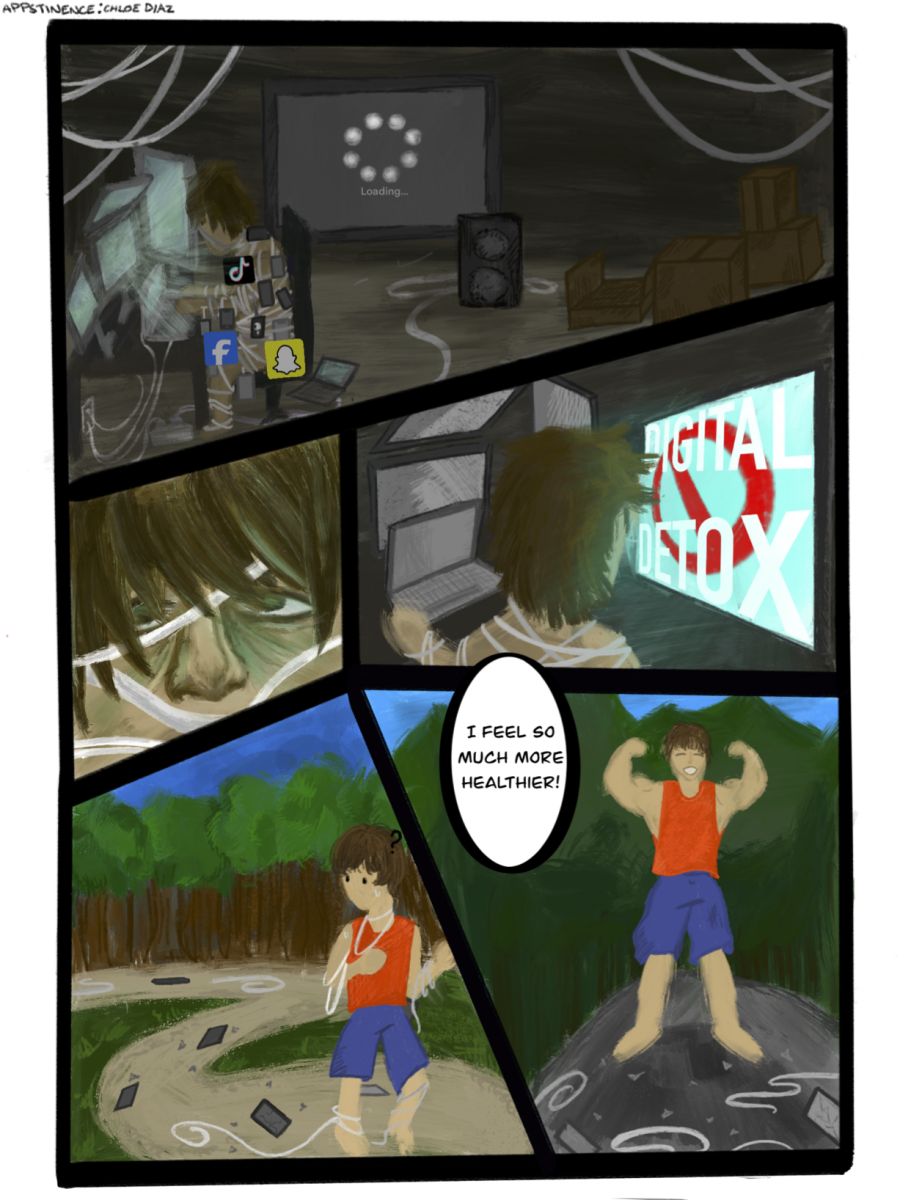
Algorithms reward creators who continually recommend new products, and brands benefit when consumers replace items quickly rather than purchasing durable goods. The result is a cycle in which both creators and audiences feel pressure to keep buying.
My own attempt at conscious consumption reflects that tension. Earlier this year, I resolved to own less—not buying bangles or hundred-dollar swim tops just so enough people would comment on my Instagram story, and not going on shopping sprees with friends every time I got hold of my dad’s card. So I cleaned out my room, filling several bags with clothes and unused items and donating them to Goodwill.
By the weekend, however, I was back at the mall. By most standards, the resolution had already failed. Still, the experience made me more aware of how easily algorithms and social expectations influence spending habits. Recognizing how platforms encourage constant consumption does not make resisting them any easier. These systems are designed to make restraint difficult.
The real luxury, it turns out, is not the bag, the shoes or the perfectly curated apartment. It is the freedom to stop performing, to stop comparing and to stop living in a constant state of imitation. That kind of freedom cannot be purchased through a TikTok link, and it certainly will not appear on anyone’s “For You” page.