
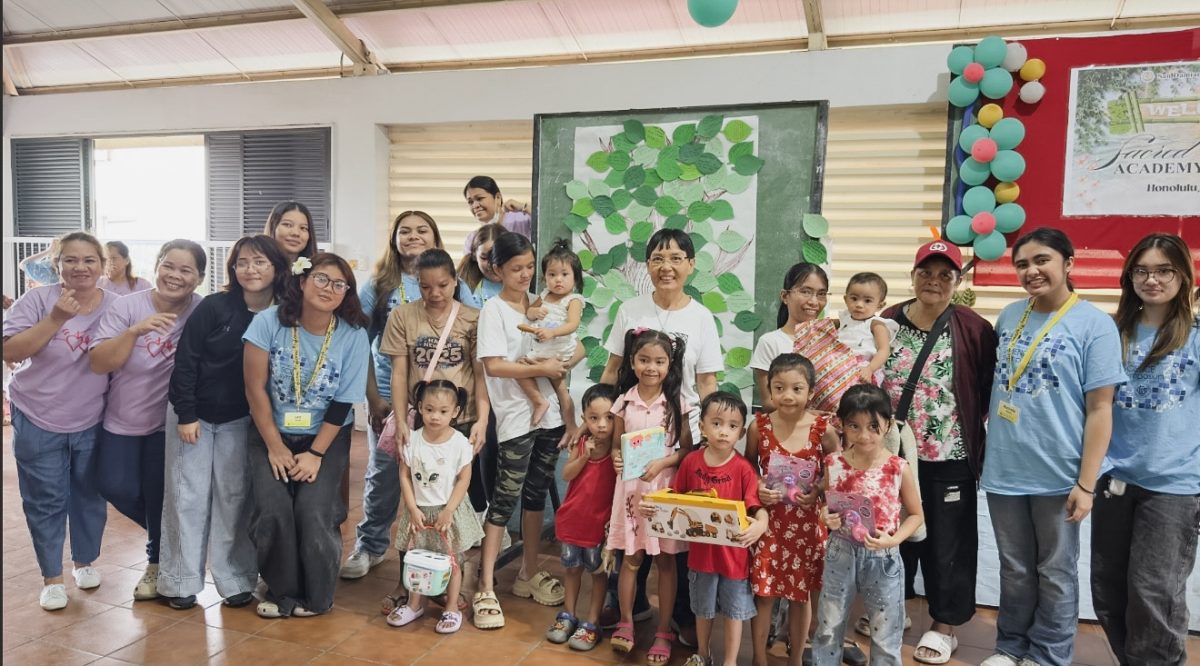






During Sacred Hearts Academy’s Philippine Mission Trip, students and chaperones served local communities through tutoring, home visits and donation programs, experiencing what “Faith in Action” means through everyday acts of service. Rather than focusing on large-scale gestures, the trip highlighted how faith and service can be lived out through small, meaningful moments.
The mission trip centered not only on providing tangible donations such as food and clothing but also on building genuine relationships with local communities. Through activities like visiting homes, tutoring children and serving meals, students began to recognize their own privilege and understand that faith is often expressed through presence, empathy and consistency. These everyday actions helped students see service as more than a requirement but as a way of living out their values.
Senior Rochelle Narciso shared that the strongest moments of “Faith in Action” came from personal connections formed during these activities.
“The community was always so happy to see us, especially the kids,” she said. “When I was tutoring or serving food, I felt like what I was doing really mattered.” For Rochelle Narciso, serving others went beyond donating items; it was about forming relationships and being fully present with the people she met.
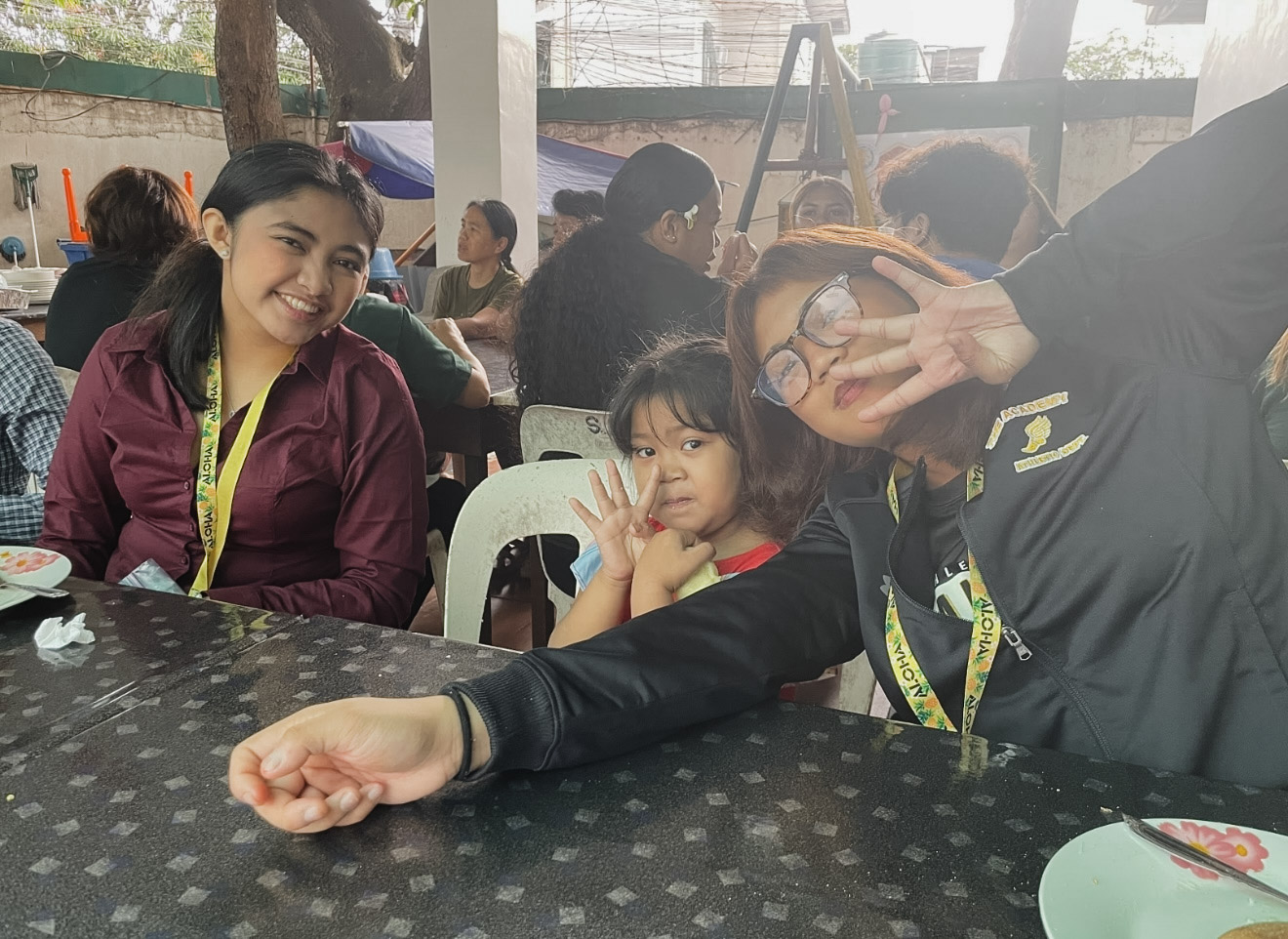
As the trip progressed, students’ approach to service continued to change. Chaperone Leilani Asuncion, who witnessed students’ growth throughout the experience, observed that students became more intentional and proactive in their actions.
“They no longer waited to be told what to do,” According to Asuncion, students moved beyond simply completing service hours and began serving with genuine intention.
The mission trip also challenged students in unexpected ways. They encountered muddy roads after rainfall, language barriers and sudden changes in daily schedules. These obstacles required students to adapt quickly, problem-solve in unfamiliar situations and communicate using gestures and visuals. Through these challenges, Asuncion believed students learned flexibility and resilience lessons that could not be fully taught in a classroom.