









This spring marks the first time in school history that Sacred Hearts Academy will join the lineup of high school surf teams, following the state’s landmark decision to officially sanction surfing as a competitive high school sport.
Earlier this year, the Hawaii High School Athletic Association (HHSAA) approved surfing as an official sport after statewide advocacy efforts and funding support under Act 141, which helped clear the financial and organizational hurdles that had prevented many schools from fielding teams for decades.
The decision now paves the way for public and private schools across the islands to form official surf teams and compete for state titles. Until now, most schools offered surfing only as informal clubs, limited by a lack of funding, insurance complications and insufficient league support.
“The timing is right,” Athletics Director Ryan Hogue said. “Surfing was born here, and it’s growing on a global level.”
Lancers prepare for the spring
With the sport now officially sanctioned, the Academy seized the opportunity to establish a team. The idea came from teacher Alyssa Myers, who said starting the program was not difficult because surf clubs already existed at other public and private schools last year. With rules and regulations now in place, the process centered on recruiting surfers and coaches and completing required training.
Over fall break, student athletes participated in a two-day junior life guard certification program which included swim tests, rescue techniques and CPR training. Coaches also completed rigorous swim tests and became certified in CPR, First Aid and rescue techniques.
The team currently has 11 student surfers, from grades 9 through 12, and three coaches.
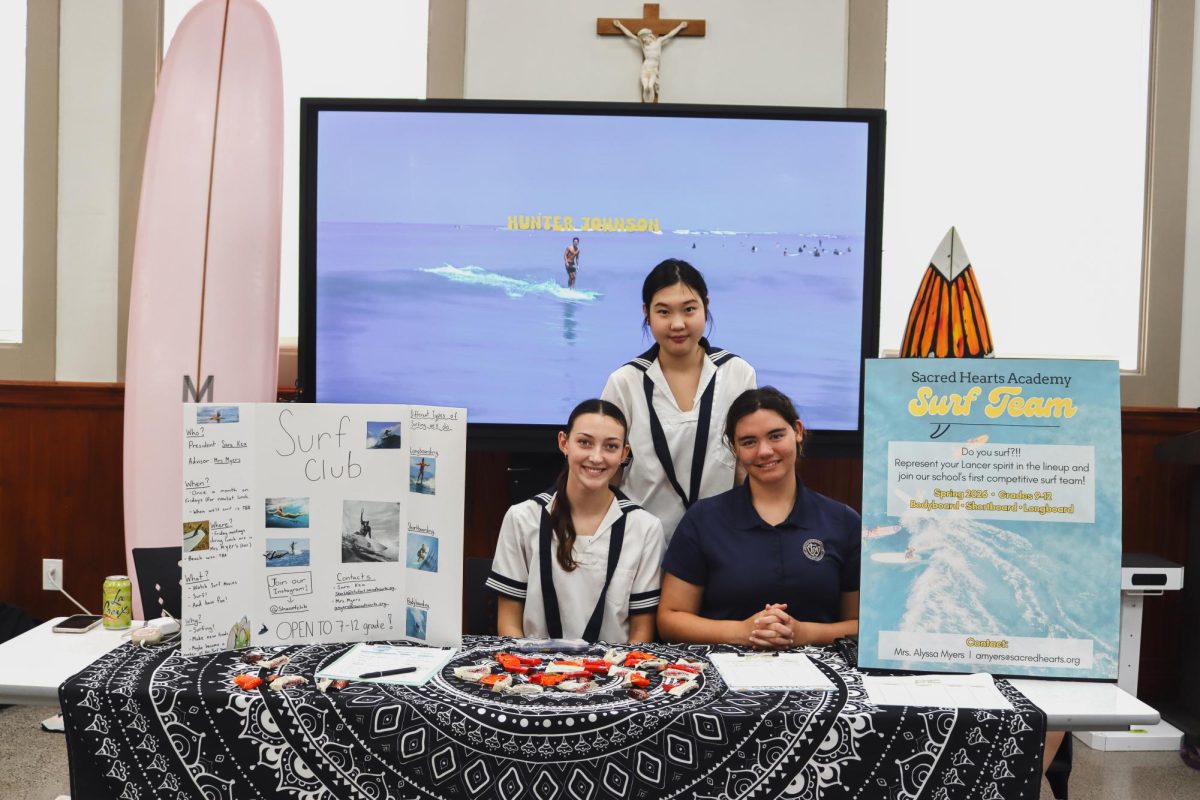
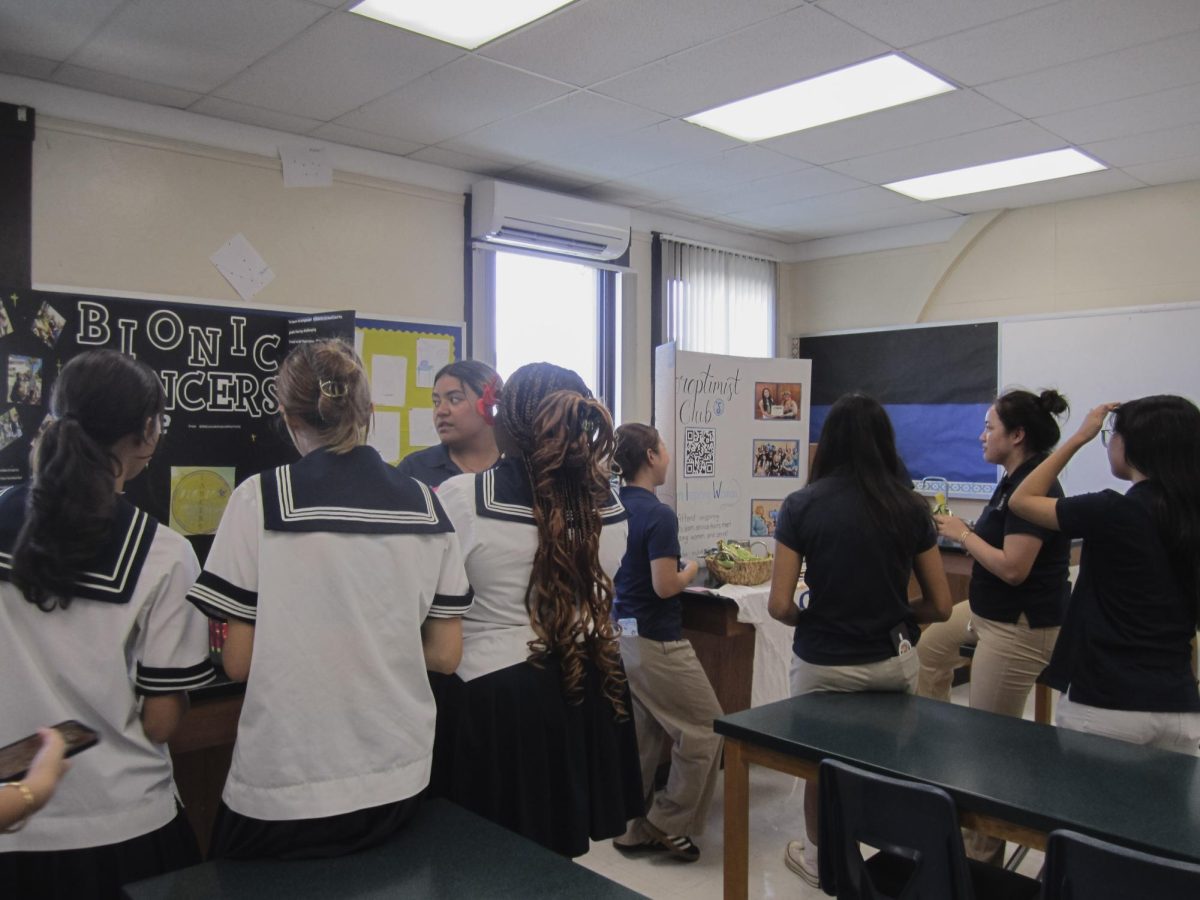
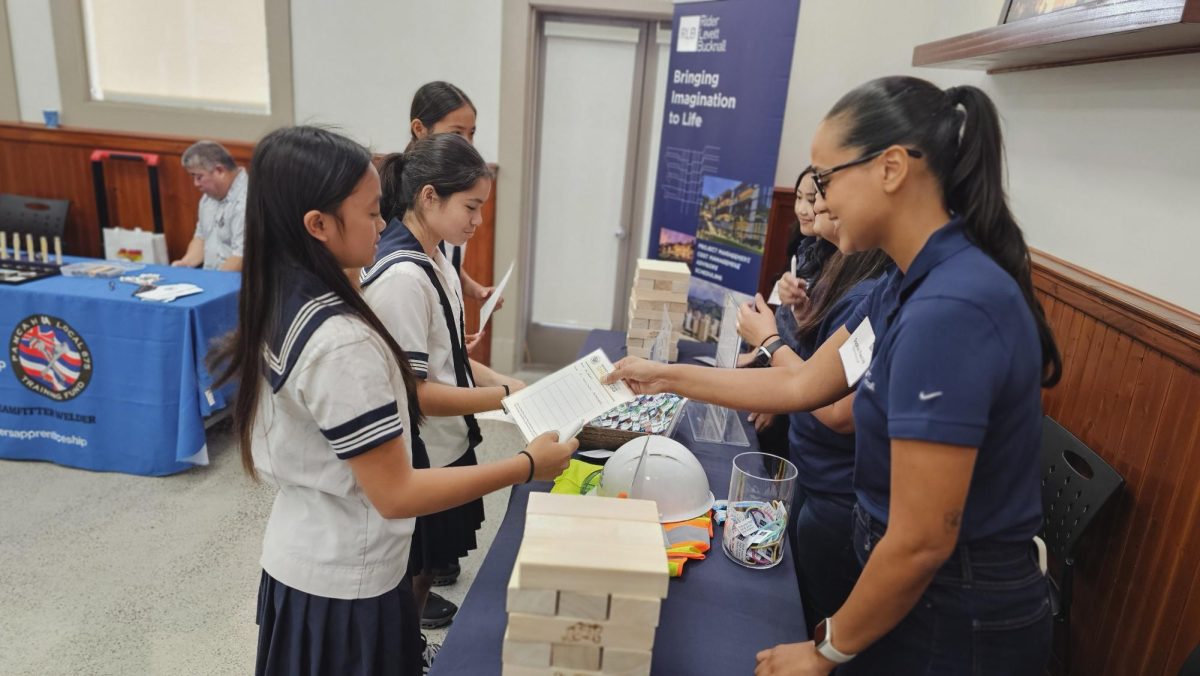
During the fall club fair, the team also recruited new members by hosting a booth that invited students to learn about both the surf team and the existing surf club. Club members will continue to support the team throughout the season by helping at competitions, assisting with setup and breakdown and earning service hours through volunteer roles.
Because the Academy cannot solicit businesses under school policy, the team must rely on fundraising efforts. To that end, they plan to volunteer at the Christmas Spectacular event on campus this month. Funds will be used to support the team during practices and competitions.
Even with these challenges, Myers remained focused on her goal of getting the team into its first surf competition, scheduled for February at Ala Moana Bowls.
“I can see us just standing under a tent having fun cheering on one of our fellow surfers and just knowing we did it,” Myers said. “We started the first all-girls surf team in the state. After all this paperwork and certification classes, we are here.”
Surfing becomes a high school sport
While the Academy was building its own program, statewide momentum for sanctioned surfing continued to grow. The Board of Education’s approval earlier this year was a turning point, but it was the result of years of work behind the scenes.
State tournament coordinator for high school surfing Davin Kazama described the decades-long effort to bring competitive surfing into Hawaii’s high schools. For more than 20 years, the state’s surf community pushed for full sanctioning, building support piece by piece.
Kazama, whose daughters surfed for Iolani School at the time, focused on unifying the voices of athletes, coaches, athletic directors and representatives from athletic leagues throughout the state. Embarking on something new came with uncertainty, Kazama said, so he worked closely with experienced supporters dedicated to “blazing the trail” and getting things done.
One major breakthrough came when lawmakers approved funding under Act 141, which allowed the HHSAA to organize official championships beginning this school year. The bill helped address longstanding financial barriers such as lifeguard staffing, safety equipment, jet skis, insurance and site permits — all of which had previously kept surfing out of the official athletic system.
Even with these improvements, logistics remained the biggest challenge. Schools needed a clear policy model to follow and an operational plan that addressed risk, staffing and safety. While an early template existed, administrators still had to adapt it to Hawaii’s unique conditions and shoreline environments.
“I would love for surfing to become a high-profile high school sport, on a similar status as football,” Kazama said. “We have some of the best surfers in the world, and we need to establish ways for the world to see and appreciate them.”
Senior finds her place in the lineup
For senior surfer Sara Kea, the launch of the Academy’s team reflects a childhood shaped by the ocean. She grew up surrounded by surfers, always at the beach and watching contests from a young age. She got on her first surfboard at age five after her parents enrolled her in swimming lessons for safety—though she jokes she ended up loving swimming even more.
Kea still remembers the feeling of her first wave.
“I felt free to be myself,” she said. “I felt like a bird and, in a way, achieved.”
After taking a break, she returned to surfing and has now been consistently surfing for five years. Last school year, she helped launch the Academy’s surf club, but without surfing being sanctioned, members could not compete. The club’s goal at the time, she said, was to teach ocean safety and build appreciation for the sport.
“It’s amazing that we can now have surfing as an actual sport,” said Kea, who will compete in the shortboard, longboard and bodyboard divisions. “We’ve been trying to get it added (on) as a sport, so it’s amazing to finally see it happening.”
Surf season takes shape
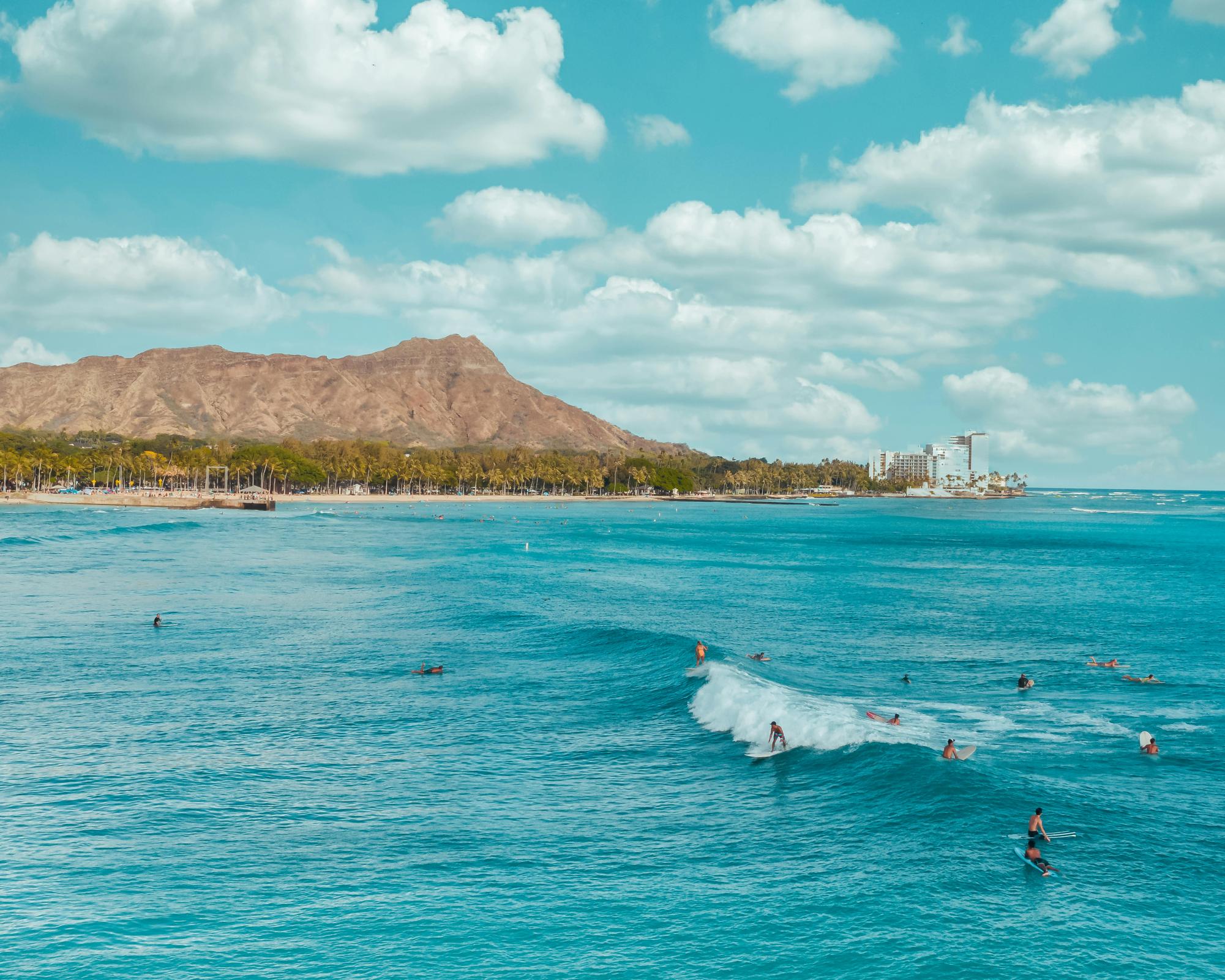
Surfing will debut this spring with island-wide competitions scheduled from February through April. Four meets will take place throughout Oahu, culminating in championship events for each discipline. The Interscholastic League of Honolulu (ILH) longboarding championships will be held at Queen’s Beach, while the shortboarding and bodyboarding championships will take place at Ala Moana Bowls.
Each contest includes three surfers per team in longboarding and shortboarding and one surfer per team in bodyboarding. Each heat will have no more than six athletes from different schools.
Heats will last between 15 and 20 minutes, with a maximum of six waves per athlete. Surfers with the top three heat scores will advance to the next round. A surfer’s top two waves count toward their final heat total, and team points are awarded based on placement.
“The more we can help these (student surfers) realize how worthy they are of celebration, the more their self-worth will grow,” Kazama said. “That confidence will serve them well in their bright futures (and) that will literally change their world for the better.”

Patrick Speltz • Jan 9, 2026 at 1:47 pm
Wow, that was incredible. Reasearch, quotes and history.
Avery • Dec 3, 2025 at 9:54 pm
I love how detailed and how much work you put into your article. It was really informative and I was able to learn more about the new sport.
Zaydi • Dec 3, 2025 at 12:30 pm
I love how in depth and informational this article is!
Cassandra Morete • Dec 3, 2025 at 12:28 pm
This is such an amazing and informative article Elora! I absolutely admire the photos that you have taken, absolutely pretty!